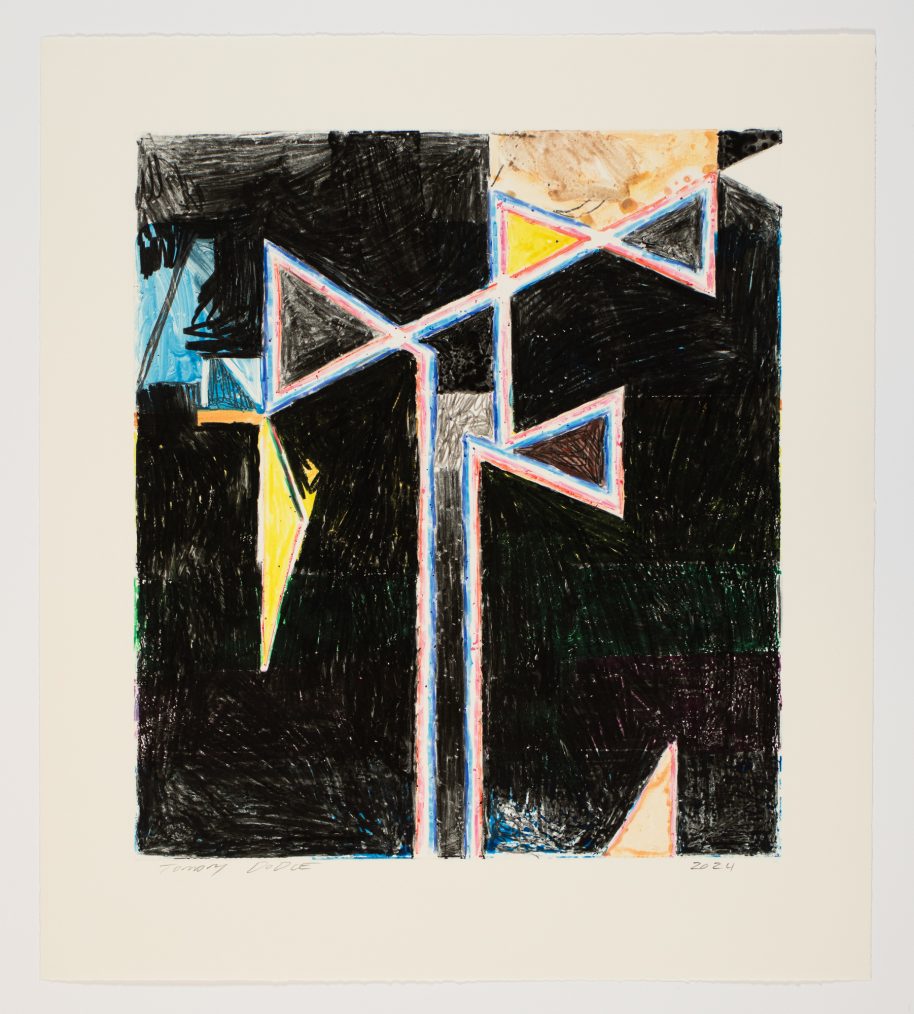
Los Angeles-based painter Tomory Dodge is known for dynamic, abstract works that explore light, color and gesture, and his paintings are held in the collections of LACMA, SFMOMA, the Whitney Museum of American Art and the Smithsonian American Art Museum. In the printshop, he works differently: monotypes made on a prepared plate become a kind of sketchbook, and ideas from them grow into etchings and screenprints. We spoke with Tomory about the freedom of the monotype, the surprise of printing in reverse and his collaboration with master printer Phil Sanders. His Haystack editions are available now.
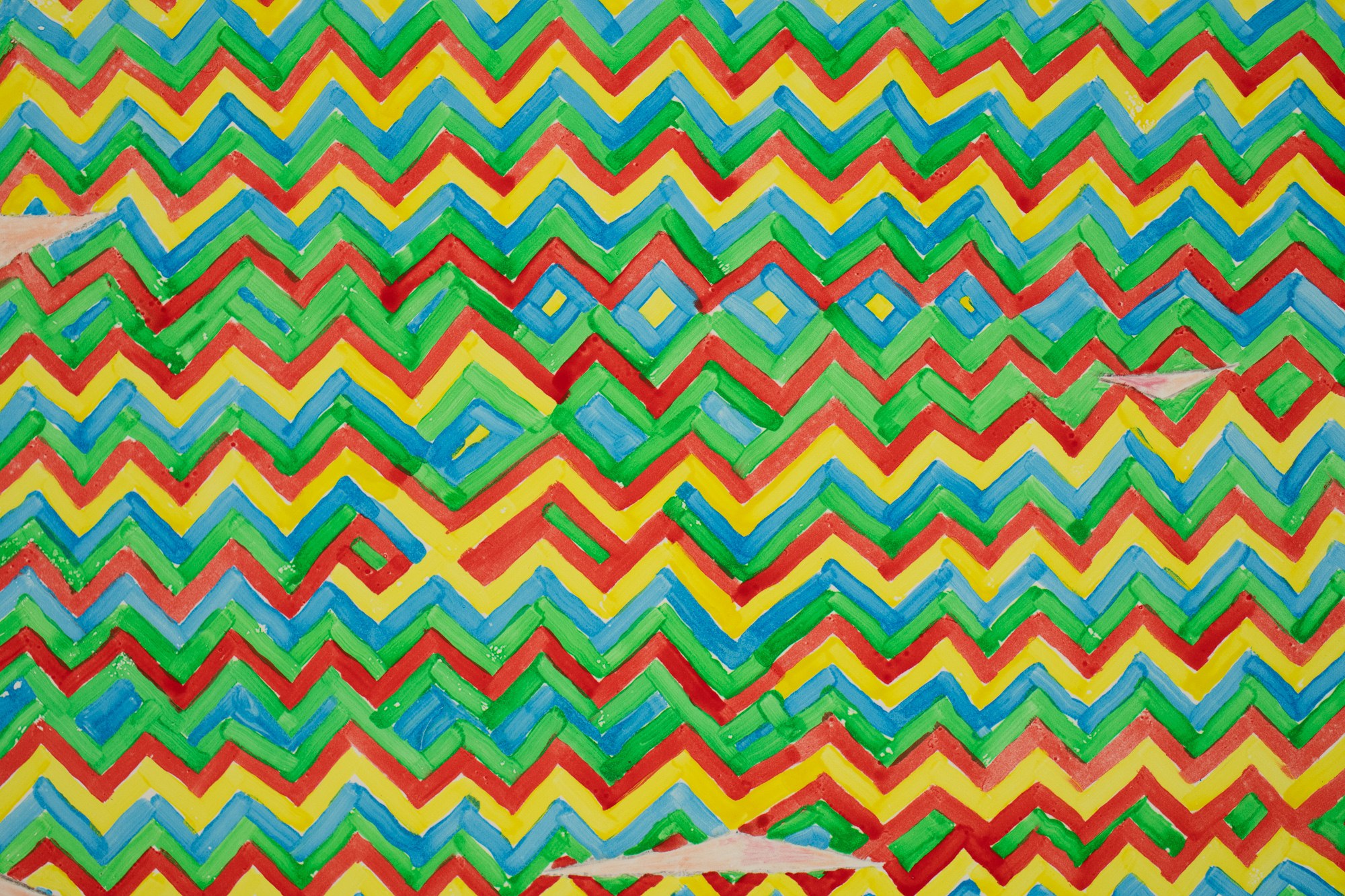
Your Haystack editions include several etchings, and you also made monotypes. What drew you to the monotype, and how is it different from working on a painting or an etching plate?
I was introduced to this specific way of making monotypes by printer Phil Sanders. Since you’re just working on a prepared plexiglass plate, the stakes feel a lot lower as opposed to a copper etching plate or a painting. If it doesn’t work out, it’s no big deal. You just clean the plate off and start again. It makes for a more liberated approach to image-making.
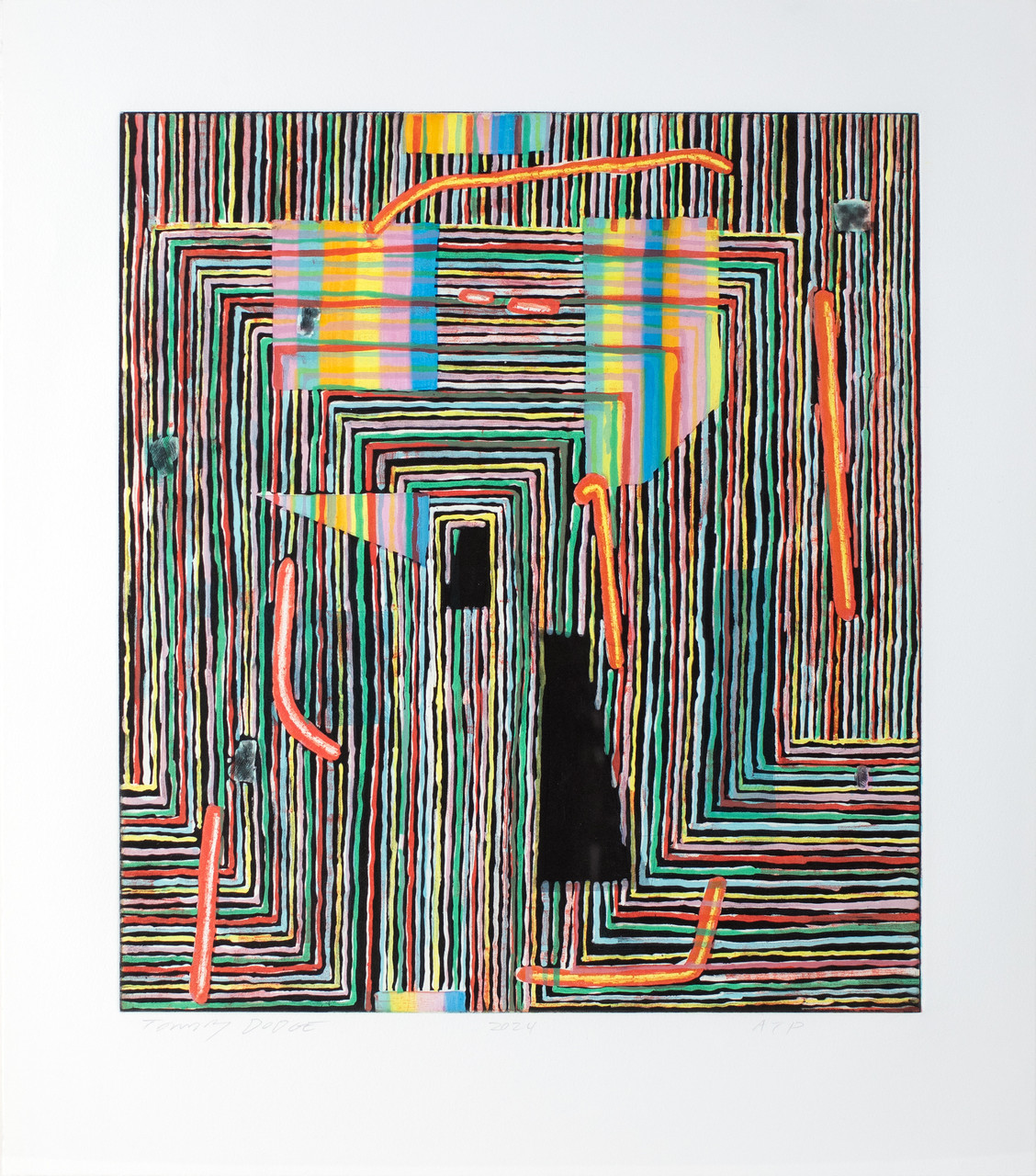
A monotype is a one-of-a-kind print, even though it is made through a printing process. How did you think about the difference between a unique work and the editioned prints you made alongside it? Anything you want to share about the series of monotypes you made with Haystack?
It’s interesting because on the one hand the process can feel less invested materially, as I just mentioned, but the result is something unique, and in that way has more in common with a drawing or painting. It’s a strange alchemy in that sense.
Your paintings are known for light, color and gesture. How does a gestural mark behave when it is made on a plate and pressed onto paper, and what surprised you?
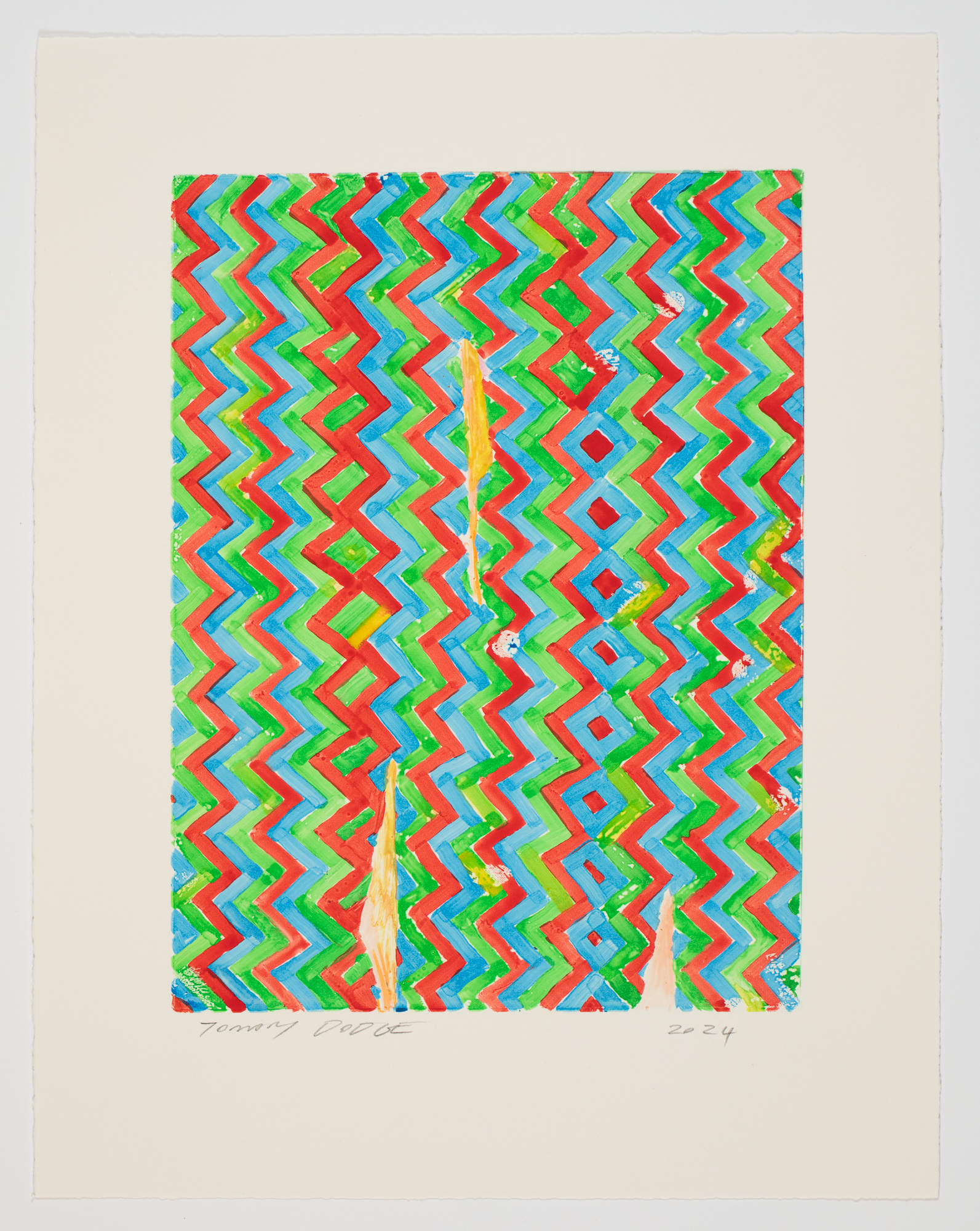
The reversal always surprises me at first. Not just the image reversal, where the image is effectively “backwards” when it’s printed, but also the reversal of the layers of the image. I tend to work in multiple layers, especially when I’m painting. With the monotypes, you need to keep in mind that the top layer that gets laid down will print as the bottom layer. This can make for some interesting results. Even when you keep this in mind and try to work with it, the results can be surprising.
Monotypes often involve working quickly and letting the process shape the result. How much did you plan each one, and how much was discovery in the moment?
The monotypes can function as something akin to a sketchbook for the time I’m in the shop. They’re a great way to generate and try out ideas. The ideas I’ll bring into the shop are often very vague and not really fleshed out. The monotypes are a way of thinking through these ideas. Sometimes a particular monotype will develop an idea I’d like to try in a different printing process. I’ve had numerous etching and screenprint editions develop out of monotypes.
How did working with the printmakers at the shop change the way you approached the monotypes, and did they suggest anything you would not have tried on your own?
Not so much with the monotypes. I tend to experiment quite a lot with them, and I feel I have a pretty good feel for that process’s potential. It doesn’t always work out, and it can take a while to get into the groove. I think with this last project with Phil, every monotype I made the first day ended up in the trash. By the second day, I was making stuff I liked, and the monotypes began generating other projects. It’s at that point where I really begin to rely on the printmaker’s expertise and suggestions. They’ll begin introducing me to new etching techniques and so on.
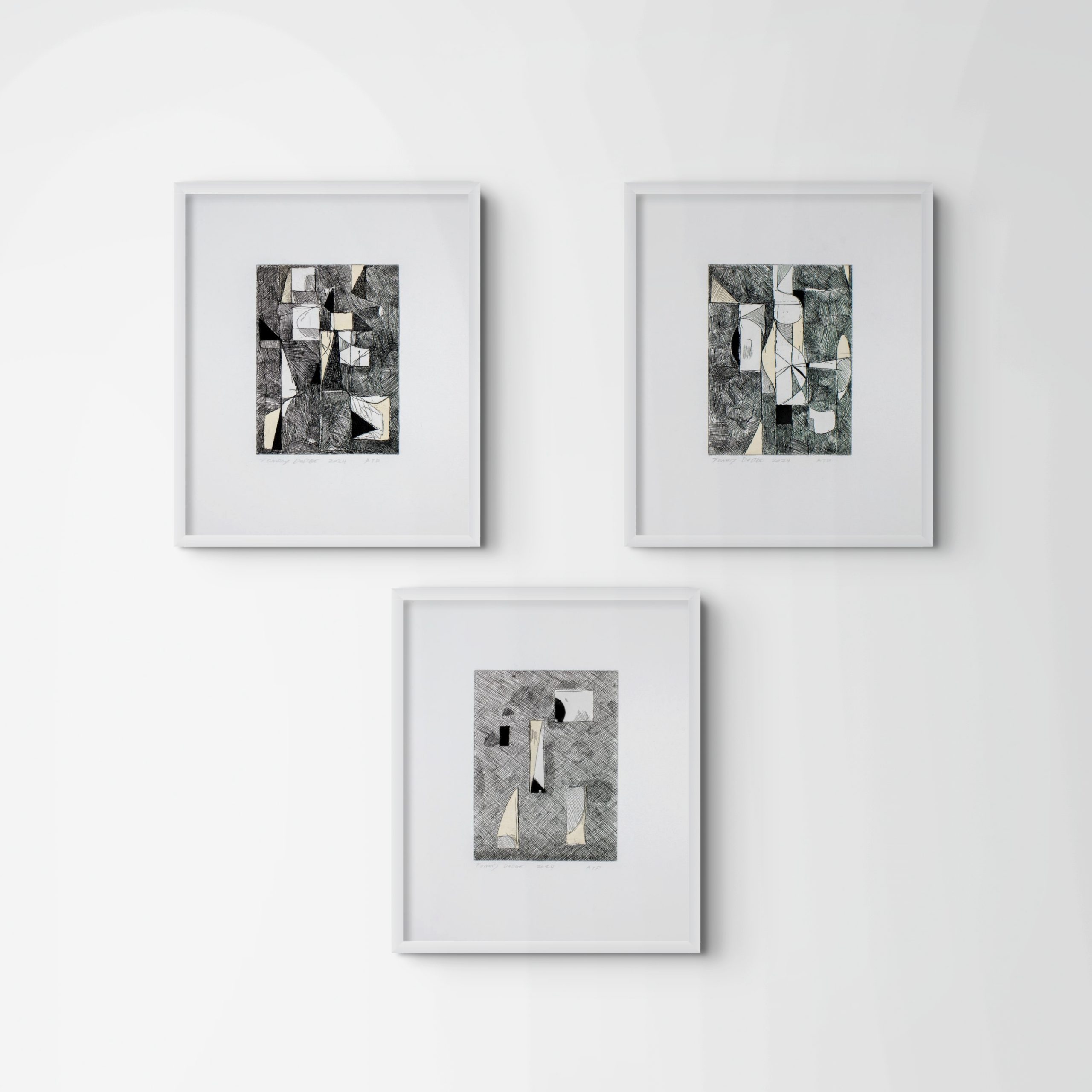
You also made line etchings, chine collé etchings and a blue etching in one project. How do these works relate to each other, and do you see them as one body of work?
I do see them all as part of one body of work. When I’m working in the printshop environment, I like to stay busy. This tends to generate lots of prints, and there’s a feeling of everything cross-pollinating with each other. It’s hard to see things as really separate. All those etchings mentioned came out of the monotypes I was making at the time.
Interested in adding a Tomory Dodge edition to your collection? His etchings and Untitled are available now, exclusively on Haystack. Click here to learn more about Tomory Dodge. If interested in Tomory Dodge’s unique monotypes, get in touch with our sales team at [email protected].